
Kaeane Projects

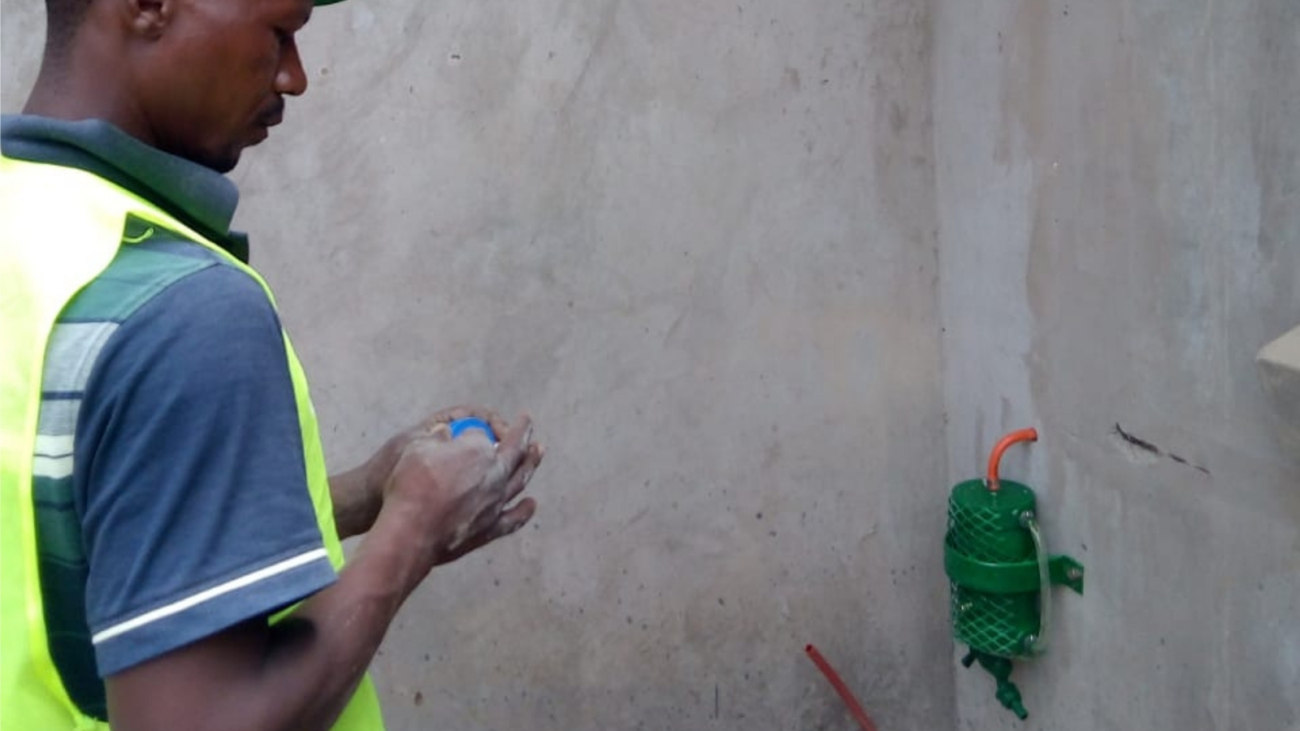
Kaeane’s Revolutionary Biogas Filter: Redefining Clean and Efficient Biogas Use

As biogas adoption continues to grow across households, farms, and institutions, one challenge remains constant: raw biogas contains impurities that reduce efficiency, damage equipment, and compromise safety. At Kaeane Renewable Energy Developers, this challenge has driven innovation.

Kaeane’s revolutionary biogas filter has been engineered to significantly improve gas quality, protect biogas systems, and extend equipment lifespan—setting a new standard for reliable biogas energy use.


The Challenge with Conventional Biogas Filtration

Traditional biogas filters often focus on a single problem, such as moisture removal or hydrogen sulfide reduction. While helpful, these limited solutions leave systems vulnerable to corrosion, inconsistent gas flow, and frequent maintenance requirements.

In real-world conditions—especially in agricultural and high-waste environments—biogas systems require robust, multi-functional filtration that performs consistently under varying loads.


The Kaeane Biogas Filter Advantage

Kaeane’s biogas filter was developed to address these challenges holistically. Designed through practical field experience and engineering refinement, the filter delivers multi-stage purification in a compact and durable unit.

Key Innovations Include:

  • Effective hydrogen sulfide reduction, protecting metal components and improving gas quality

  • Moisture control technology that prevents pipe blockages and corrosion

  • Particle filtration to safeguard burners, valves, and generators

  • Optimized gas flow, ensuring stable pressure and efficient combustion

This integrated approach ensures cleaner biogas and smoother system performance.


Built for Durability and Local Conditions

One of the defining features of Kaeane’s biogas filter is its durable construction, designed to operate reliably in both rural and institutional settings. The filter uses locally sourced, affordable materials where possible, making it cost-effective without compromising performance.

The design allows for easy inspection, servicing, and media replacement, reducing downtime and long-term maintenance costs.


Real Benefits for Biogas Users

Clients using Kaeane’s biogas filter experience tangible improvements:

  • Cleaner, odor-reduced biogas

  • Extended lifespan of stoves, heaters, and generators

  • Reduced maintenance and repair frequency

  • Improved safety and operational reliability

  • Better energy efficiency from the same waste input

Whether for cooking, heating, or power generation, the difference is immediately noticeable.


Designed for All System Sizes

Kaeane’s biogas filter is adaptable and scalable, making it suitable for:

  • Household fixed dome systems

  • Agricultural and livestock operations

  • Schools, lodges, and institutions

  • Commercial and industrial biogas plants

The filter can be integrated into new installations or retrofitted into existing systems.


Innovation Driven by Sustainability

At the core of Kaeane’s innovation is a commitment to sustainability. By improving biogas quality and reducing system losses, Kaeane’s filter helps maximize energy recovery from organic waste—supporting a circular economy and reducing dependence on fossil fuels.

Cleaner biogas means cleaner energy, safer usage, and greater environmental impact.


Conclusion

Kaeane’s revolutionary biogas filter represents a major step forward in biogas technology. By combining multi-stage purification, durability, and user-friendly design, it transforms raw biogas into a cleaner, safer, and more efficient energy source.

As biogas systems continue to expand across communities and industries, Kaeane remains at the forefront—engineering solutions that turn waste into reliable, sustainable power.

Kaeane Projects (1)

Biogas and Women Empowerment: Clean Energy as a Catalyst for Social and Economic Change

Access to clean, reliable energy is more than an environmental issue—it is a powerful driver of social transformation. Across many communities, especially in rural and peri-urban areas, women bear the greatest burden of energy poverty. Biogas technology is emerging as a practical and sustainable solution that directly supports women empowerment, improving health, economic independence, education, and leadership opportunities.


The Energy Burden Carried by Women

In many households, women and girls are primarily responsible for collecting firewood, cooking, and managing household energy needs. This work is time-consuming, physically demanding, and often unsafe. Long hours spent gathering fuel reduce time available for education, income-generating activities, and community leadership.

Biogas changes this reality by providing on-site, renewable energy generated from organic waste, eliminating the need for daily fuel collection.


Improved Health and Safety

Traditional cooking fuels such as firewood and charcoal expose women to harmful indoor air pollution, leading to respiratory illnesses, eye problems, and long-term health complications. Biogas burns cleanly, producing minimal smoke and significantly reducing indoor air pollution.

By improving kitchen air quality, biogas systems help protect women’s health, reduce medical expenses, and create safer household environments.


Time Savings and Economic Empowerment

One of the most transformative benefits of biogas is the time it gives back to women. Hours previously spent collecting fuel and tending inefficient fires can now be redirected toward productive activities. Women can engage in small businesses, farming, education, and skills development.

Biogas also reduces household spending on cooking fuels, allowing families—often managed by women—to redirect funds toward education, nutrition, and savings.


Supporting Women in Agriculture

In agricultural communities, biogas systems produce not only energy but also organic slurry, a nutrient-rich fertilizer. Women farmers benefit from improved soil fertility, higher crop yields, and reduced dependence on expensive chemical fertilizers.

This strengthens food security while increasing women’s role and influence in agricultural decision-making.


Education and Opportunities for Girls

When households adopt biogas, girls are often relieved from fuel-collection duties, giving them more time for school and study. Access to clean energy supports better lighting for evening homework and reduces absenteeism caused by domestic responsibilities.

Biogas thus contributes to breaking cycles of poverty by supporting girls’ education and long-term opportunities.


Women as Leaders in Clean Energy Solutions

Biogas technology also opens pathways for women to become energy entrepreneurs, technicians, and community educators. With training and support, women can manage biogas systems, provide maintenance services, and lead awareness programs on renewable energy and waste management.

This participation enhances women’s leadership roles and positions them as key contributors to sustainable development.


Biogas and Community Resilience

By turning organic waste into energy, biogas strengthens community resilience and self-reliance. Women, as central figures in households and communities, play a vital role in managing and sustaining these systems. Their involvement ensures long-term success and broader social acceptance of renewable energy solutions.


Kaeane’s Commitment to Women Empowerment

At Kaeane Renewable Energy Developers, biogas is not just about energy—it is about empowering communities. Through inclusive design, training, and community engagement, Kaeane supports women as users, managers, and advocates of biogas technology.

By investing in biogas solutions, communities invest in women’s health, time, economic independence, and leadership.


Conclusion

Biogas is a powerful tool for women empowerment. By providing clean energy, improving health, saving time, and creating economic opportunities, biogas helps women move from energy burden to energy leadership. As the world seeks sustainable development solutions, biogas stands out as a technology that delivers environmental benefits while transforming lives—especially for women.

Kaeane

Turning Organic Waste into Clean Energy with Biogas

Organic waste is one of the most overlooked resources in our daily lives. Food scraps, animal manure, and agricultural residues are often discarded, creating environmental and health challenges. Biogas technology offers a sustainable solution by converting this waste into clean, renewable energy while protecting the environment.

Biogas is produced through a natural process called anaerobic digestion, where microorganisms break down organic matter in an oxygen-free environment. The result is a clean-burning gas that can be used for cooking, heating, and electricity generation. Unlike fossil fuels, biogas is renewable and part of the natural carbon cycle, making it an environmentally responsible energy source.

Beyond energy production, biogas systems also generate organic bio-slurry, a nutrient-rich fertilizer that improves soil health and reduces reliance on chemical fertilizers. This makes biogas especially valuable for farmers and agricultural communities, where waste management and soil fertility are critical.

At Kaeane Renewable Energy, we believe waste should never be wasted. Our onsite biogas systems eliminate the need to transport organic waste to landfills, reducing emissions and operational costs. By adopting biogas solutions, households and businesses can save money, reduce pollution, and contribute to a cleaner, greener future.